
Island Waste Management: Why Islands Are an Ideal Fit for Modern Waste Treatment
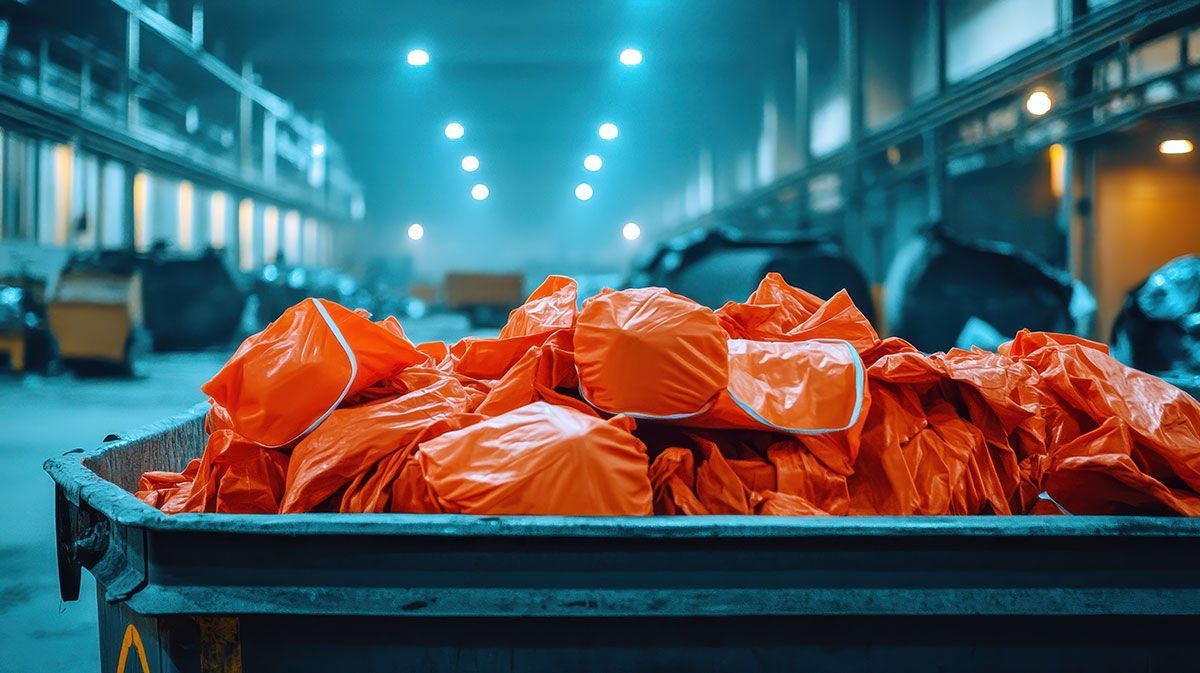
Managing medical waste is a challenge for any community, but islands operate under a distinct set of constraints. Limited landfill capacity, expensive over-water transport logistics, and fragile ecosystems leave little room for error. For waste transporters looking to expand into processing, these challenges present a unique opportunity. Islands need a solution that can operate efficiently and without pollution, and Clean Waste Systems' medical waste sterilization system fits the bill.
Keep reading to learn how shredding medical waste meets the unique needs of island communities.
Table of Contents
Why Is Medical Waste More Challenging on Islands?
Geography shapes everything about how an island manages its waste. Without road access to regional processing facilities, medical institutions must transport their waste by ferry, barge, or plane. Not only is it expensive to move waste over long distances, but unpredictable weather patterns could make water and air travel unsafe.
Additionally, islands cannot expand landfill capacity to access nearby alternatives. What little landfill space exists is often shared across all waste streams. Any overfill risks spilling into delicate ecosystems on land and in the ocean, which is especially concerning if the medical waste hasn’t been properly treated.
In summary, common island waste challenges include:
- Limited landfill capacity with no room for expansion
- High transport costs driven by over-water logistics
- Dependence on outside processors beyond local control
- Infrastructure limitations that complicate operations for hospitals and transporters
- Environmentally sensitive ecosystems where the cost of contamination is severe
Why Are Traditional Waste Technologies Difficult to Deploy on Islands?
Traditional waste technologies (incinerators and autoclaves) were designed for industrial infrastructure that islands don’t have. Incinerators produce emissions that require careful monitoring and regulatory oversight. Autoclaves use a substantial amount of water, which turns into wastewater that operators must properly manage. Additionally, these systems often involve more complicated permitting, utility, and installation requirements.
For islands, the cumulative weight of utility complexities, infrastructure limitations, regulatory compliance, and maintenance needs often makes traditional treatment systems more of a burden than a solution.
Why Is Ozone-Based Processing a Better Fit for Island Communities?
Ozone-based medical waste sterilizers solve many of the problems islands face. Treatment happens on-site, so processors can offer island communities a local solution that doesn’t require over-water transport. Additionally, the systems use just one gallon of water per hour of processing, they don’t use boilers, and they don’t generate wastewater. Shredding medical waste reduces waste volume by around 80%, a critical benefit when landfill space is limited.
Finally, with no combustion emissions, no wastewater discharge, and no liquid chemicals, ozone-based processing aligns with environmental protection priorities that coastal communities take seriously.
Transform Island Waste Management with Clean Waste Systems
When it comes to medical waste management, islands often face high transportation costs, scarce landfill space, limited infrastructure, and ecologically sensitive surroundings. Shredding medical waste with ozone-based processing offers lower utility requirements, no wastewater discharge, no combustion emissions, and an 80% reduction in waste volume. For waste transporters looking to expand into processing, island markets represent a clear and underserved opportunity.
Explore Clean Waste Systems'
medical waste sterilizers to learn more.
Frequently Asked Questions
Why does island medical waste require unique solutions?
Islands don’t have the same infrastructure that mainland operations depend on. Medical waste must be shipped off-island at high cost, landfill space is scarce, utilities are limited, and ecosystems are fragile. Those conditions demand a treatment approach that solves these unique problems.
Why are autoclaves and incinerators challenging for island operations?
Both technologies require infrastructure that most islands don't have. Autoclaves need large amounts of water, boiler systems, and wastewater management. Incinerators produce emissions that are difficult to manage near sensitive coastal ecosystems and require specialized maintenance that is hard to access remotely. Neither is a practical long-term fit.
How does ozone-based processing help reduce landfill dependence on islands?
Shredding medical waste with ozone-based systems reduces waste volume by ~80%. On an island where disposal space is finite, that reduction extends existing landfill capacity and reduces the frequency of costly off-island waste shipments.
