
How Medical Waste Shredding Improves Processor Margins
The medical waste processing industry is fiercely competitive. Processors face rising operating costs, limited throughput, and thin margins in a market where services are commoditized. For businesses looking to grow and increase profitability, these challenges can make expansion feel risky.
Ozone
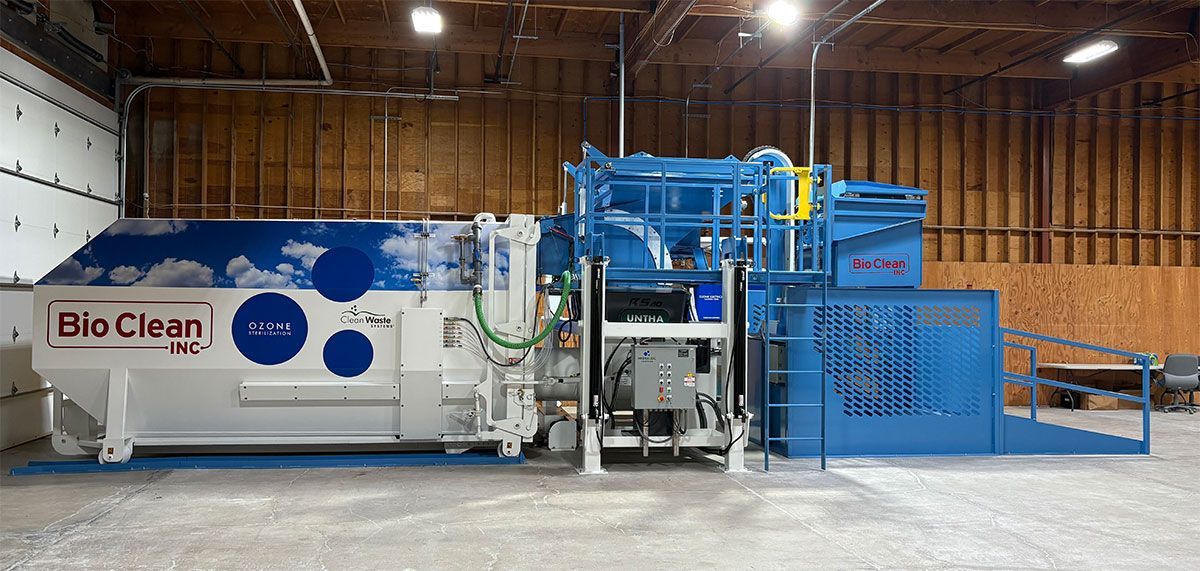
medical waste sterilization systems offer a solution that changes the economics of processing. By reducing waste volume with integrated medical waste shredding, processors can accept higher-margin waste streams, lower operating costs, and expand pricing flexibility.
Table of Contents
Why Does Medical Waste Shredding and Ozone Increase Processor Profitability?
Medical waste shredding reduces the overall volume of medical waste. With waste taking up less space, processors can handle more material without purchasing additional equipment or expanding their facility. More waste processed means higher revenue potential. Processors using this approach can optimize operations and gain greater capacity for new clients or higher-margin waste streams.
How Does Shredding and Ozone Improve Throughput and Processing Efficiency?
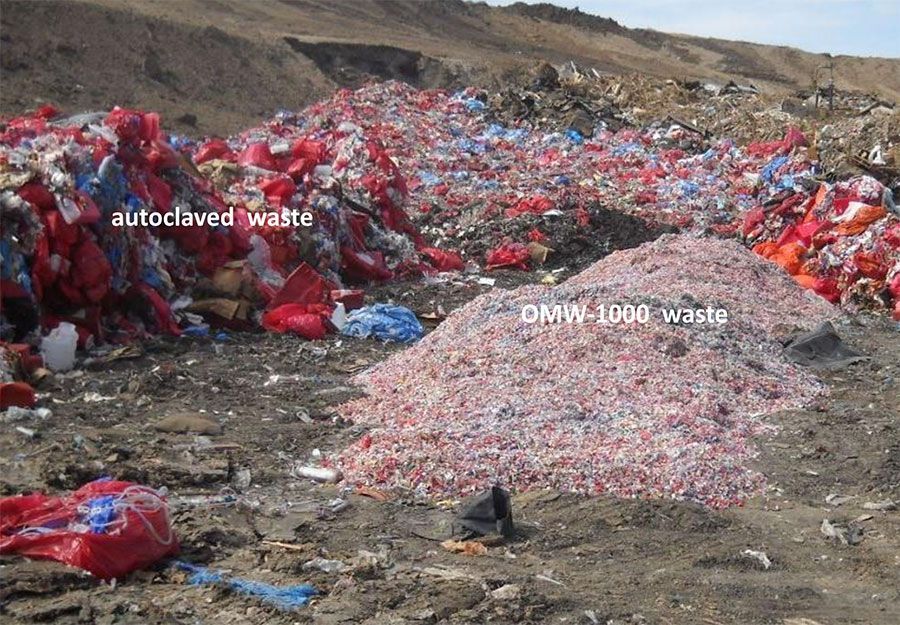
Medical waste shredding standardizes the size of materials before they enter the ozone sterilization process. Pre-shredded material flows smoothly through the system, resulting in faster treatment cycles and more predictable throughput. Turning sharps into unrecognizable fragments also reduces safety concerns.
Operational improvements that come with medical waste shredding include:
- Faster processing cycles. Small waste moves through processing faster than bulky, irregular material.
- Consistent waste flow through the system. Uniform material helps prevent bottlenecks and downtime.
- Improved sterilization exposure. Ozone treatment can reach all surfaces effectively when pieces are smaller and consistently-sized.
- Higher facility utilization. Process more medical waste per cycle without expanding footprint or adding equipment.
How Does Shredding and Ozone Expand Revenue Opportunities for Processors?
Shredding combined with ozone sterilization brings higher-margin opportunities. Processors can safely accept a wider variety of waste streams, including sharps-heavy materials that are challenging to manage safely with traditional heat-based systems. By making sharps unrecognizable, processors can comply with state regulations and reduce handling risks.
This capability translates into multiple revenue expansion opportunities. Processors can take on direct contracts with healthcare providers, partner with transporters that cannot process their own waste efficiently, and broker waste to fill unused capacity.
Tangible benefits of medical waste shredding and ozone treatment include:
- Increased sharps capacity. Safely process more high-value waste streams.
- Broader waste acceptance. Handle diverse medical waste types.
- Higher facility utilization. Process more material per cycle.
- Greater pricing flexibility. Reduce processing costs and offer competitive rates.
- Compliance with state requirements. Meet regulatory standards by rendering sharps unrecognizable.
Increase Processor Margins with Clean Waste Systems
Combining medical waste shredding with ozone technology unlocks three core advantages: volume reduction, improved throughput, and expanded revenue opportunities. By optimizing efficiency and expanding service capabilities with Clean Waste Systems, processors can achieve stronger margins while strengthening safety and compliance.
Learn more about Clean Waste Systems’
ozone sterilization technology.
Frequently Asked Questions
What is medical waste shredding?
Medical waste shredding is the process of mechanically breaking down medical waste (including sharps, plastics, and other regulated materials) into smaller, uniform pieces. This reduces volume, improves safety by making sharps unrecognizable, and prepares waste for more efficient sterilization.
Why does medical waste shredding improve efficiency when combined with Ozone processing?
Pre-shredded waste flows smoothly through treatment cycles, reduces bottlenecks, and ensures complete exposure for sterilization. Processors can increase throughput and adopt advanced sterilization technology without expanding their facility footprint, lowering labor and energy costs while making operations safer and more predictable.
How does shredding help medical waste processors improve margins?
Shredded waste takes up less space, increases throughput, and makes sharps unrecognizable and, therefore, safer to handle. Processors can accept higher-margin, sharps-heavy waste streams with a low-operating-cost model that supports competitive pricing and stronger processor margins.
