
Medical Waste Disposal for Correctional Facilities: Why Ozone Matters
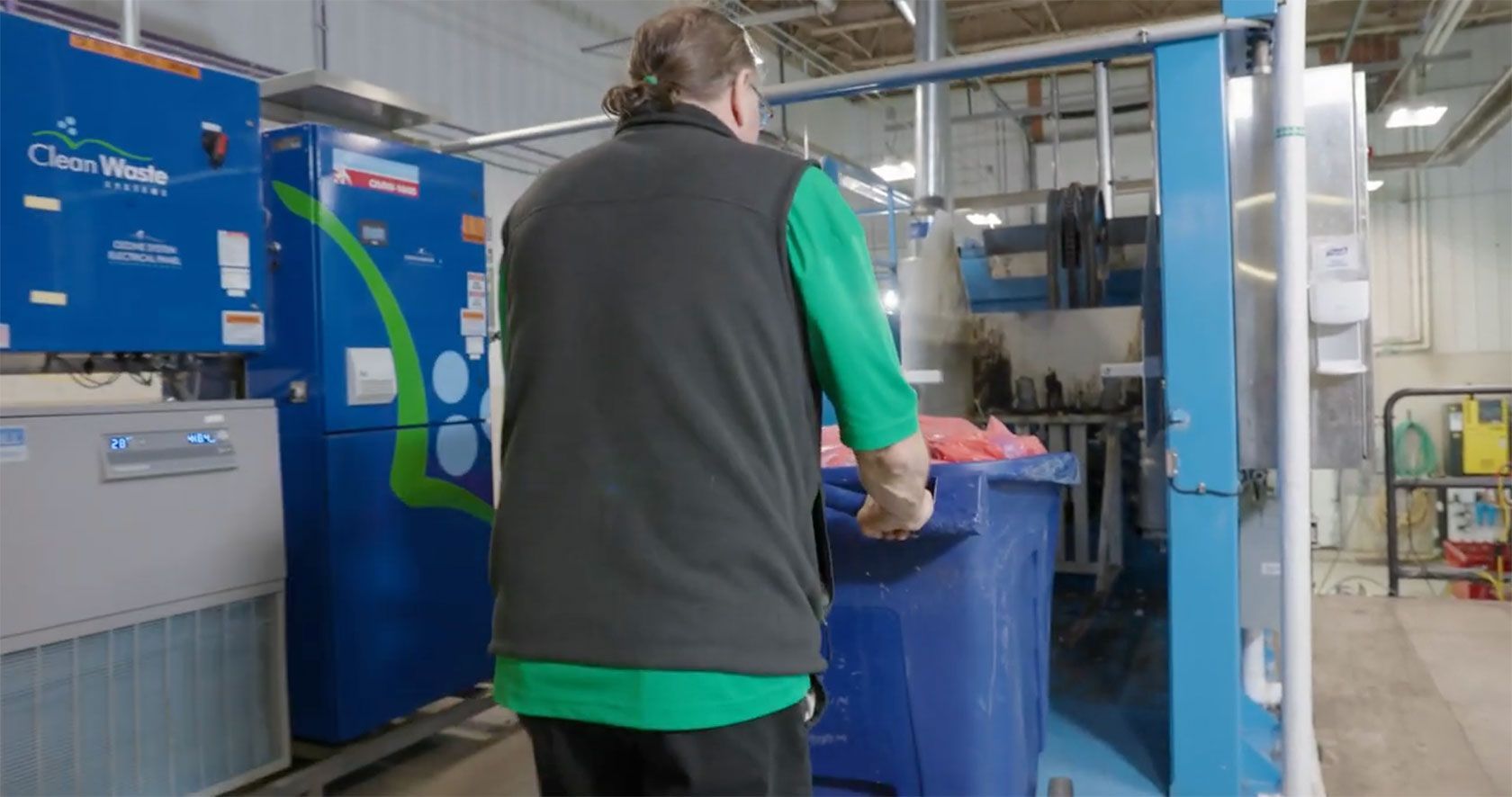
Correctional facilities face unique challenges when managing medical waste. Relying on third-party haulers requires storing infectious waste until pickup, coordinating its movement off-site, and managing recurring transportation and disposal costs. Ozone-based medical waste sterilization systems can improve medical waste disposal for correctional facilities.
With ozone technology, correctional facilities can gain greater control over the medical waste process while reducing reliance on off-site treatment. This article explores three key considerations: security, transportation logistics, and cost.
Table of Contents
Why Does Off-Site Medical Waste Disposal Create Security Challenges?
Security is a priority even in medical waste disposal for correctional facilities. With off-site disposal, untreated medical waste must be separated and securely stored until an authorized third-party contractor collects it. Each collection requires facilities to coordinate access, supervise the transfer of medical waste, and follow established security procedures while moving the material out of the facility. Because correctional facilities generate medical waste continuously, contractor access, secure storage, and waste transfers become recurring security considerations.
How Can On-Site Treatment Reduce Medical Waste Transportation?
Treating medical waste on-site with ozone reduces reliance on transportation by reducing waste volume. Clean Waste Systems’
medical waste sterilizers use ozone technology to sterilize and shred medical waste on-site. During processing, the waste is reduced in volume by more than 80%. Once treated, the material is ready for landfill disposal, significantly reducing the volume that must be handled and transported downstream.
Why Is Ozone Practical for On-Site Medical Waste Treatment?
Ozone technology is more practical for on-site treatment because it requires less supporting infrastructure than traditional heat-based systems. Autoclaves rely on high-temperature steam, which can require boilers, cooling systems, and wastewater infrastructure. Ozone technology sterilizes medical waste without heat or liquid chemicals and produces no liquid effluent. Lower energy use and fewer supporting systems can translate into more affordable medical waste disposal for correctional facilities.
Take Control of Correctional Facility Medical Waste with CWS
Off-site medical waste treatment for correctional facilities involves securely storing untreated waste, coordinating contractor pickups, and transporting it off-site. On-site treatment can reduce these security and logistical demands by processing medical waste where it is generated and reducing the volume that requires downstream disposal by up to 80%.
With multiple models available, correctional facilities can choose a system suited to their processing requirements and gain greater control over where and how their medical waste is treated.
Frequently Asked Questions
What should be considered when evaluating medical waste disposal for correctional facilities?
Facilities should consider the types and volume of medical waste they generate, how untreated waste is stored, how frequently it must be collected and transported, and the security procedures involved in third-party pickups. They should also compare the infrastructure, utility, and operational requirements of on-site treatment with the ongoing requirements of off-site disposal.
Can medical waste be treated at the correctional facility where it is generated?
Yes. On-site medical waste treatment allows a facility to process waste before it leaves the property rather than sending untreated waste elsewhere for treatment. Depending on the treatment method, the waste can be sterilized and reduced in volume on-site before moving into the appropriate downstream disposal process.
Why does reducing medical waste volume matter for correctional facilities?
Volume reduction means less treated waste needs to be stored, handled, and transported for final disposal. For facilities that regularly generate medical waste, reducing its volume can make downstream waste management more cost-efficient by reducing the number of trips to the landfill.
