
Ten Reasons Why Autoclave Alternatives are Better for Business
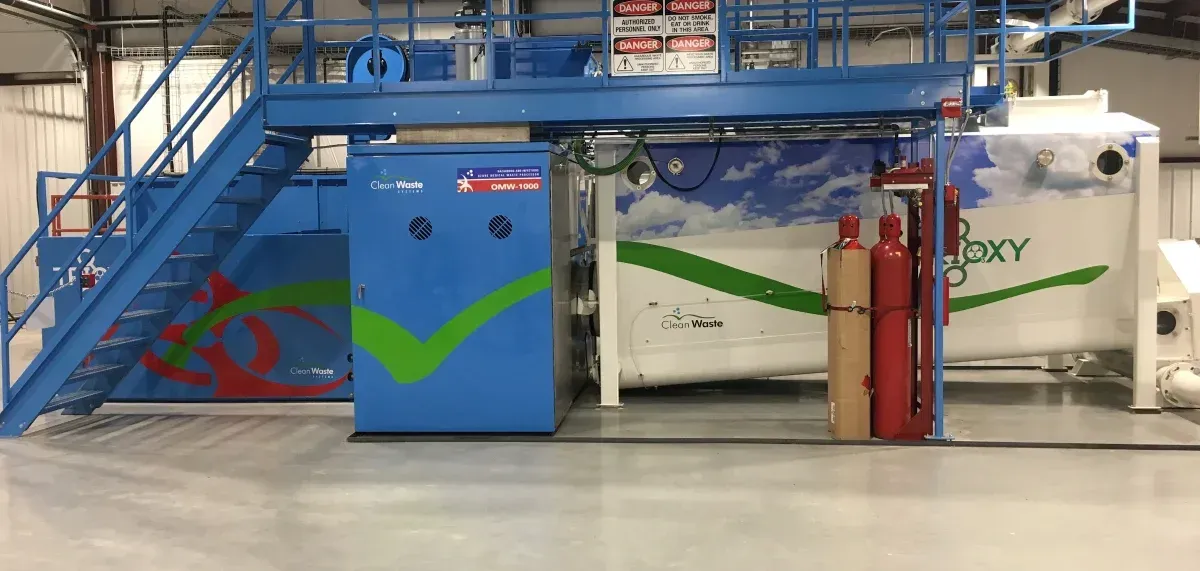
Traditional autoclaves require significant infrastructure investments and ongoing maintenance. Between complex installation requirements and recurring operating expenses, medical waste processors and transporters often end up dedicating valuable resources to keeping their equipment running instead of growing their businesses.
Modern autoclave alternatives like ozone-based medical waste sterilization systems offer a simpler, more cost-effective approach. Keep reading to learn 10 advantages of upgrading, from lower infrastructure costs and easier maintenance to greater scalability and competitive differentiation.
Table of Contents
The Business Challenges of Traditional Autoclaves
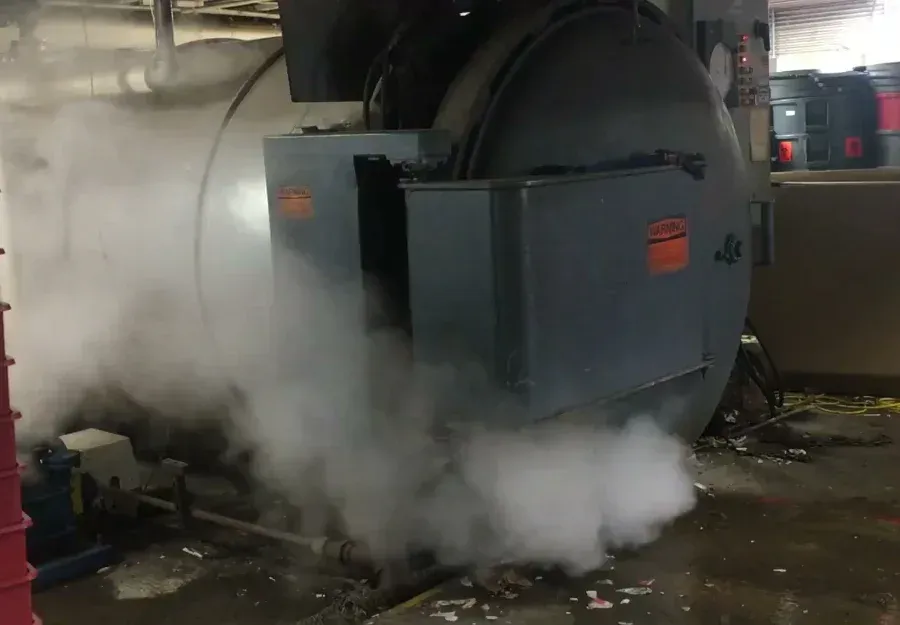
Steam boilers, wastewater management systems, and supporting facility infrastructure significantly increase upfront costs. Additionally, complex air emissions and wastewater discharge requirements can delay initial startup. Once operational, autoclaves require significant energy to generate steam, plus ongoing maintenance.
For medical waste transporters looking to bring processing in-house, these requirements can make expansion a substantial financial commitment. Established processors face similar challenges when adding capacity or replacing aging equipment. In both cases, infrastructure costs and ongoing operating expenses influence how quickly a business can grow and how profitably it can serve customers.
10 Reasons Autoclave Alternatives Make Better Business Sense
Traditional autoclaves come with substantial infrastructure costs, ongoing maintenance demands, and expensive operating requirements. By switching to an autoclave alternative, businesses can minimize these burdens and gain more control over their profitability and growth.
1. Lower Infrastructure and Installation Costs
Steam boilers, wastewater cooling systems, and additional compactors can add hundreds of thousands of dollars to autoclave setup costs. Ozone-based medical waste sterilizers reduce reliance on expensive supporting equipment, so businesses can direct more capital toward revenue-generating operations.
2. Fewer Permitting and Facility Requirements
With an alternative for autoclave that doesn’t use steam boilers, waste processors can avoid certain air permitting and wastewater discharge requirements. Local policies still apply, but businesses generally experience greater flexibility when selecting and developing processing facilities.
3. Lower Energy and Water Consumption
Ozone-based processing uses electricity and limited amounts of water during treatment. Lower resource consumption creates ongoing savings that become increasingly valuable as processing volumes grow.
4. Reduced Maintenance Requirements
Modern autoclave alternatives with simplified mechanical systems reduce routine maintenance demands and supporting equipment upkeep. Lower maintenance expenses free up resources for daily operations and business development.
5. Greater Reliability and Less Downtime
Simplified treatment systems reduce equipment dependence and make routine upkeep easier to manage. With more reliable equipment, processors can maintain predictable schedules, avoid backlogs, and strengthen relationships with customers who depend on timely service.
6. Improved Processing Profit Margins
For direct customer contracts, efficient processing increases the profits from each pound of treated waste. Lower operating costs also make brokered contracts more attractive. This pricing flexibility means processors can fill unused capacity with profitable business while pursuing higher-margin customer relationships.
7. Simpler Operations and Employee Training
Autoclave alternatives with simplified controls and automated treatment processes reduce the number of tasks operators must manage. Employees can learn routine procedures faster, and businesses can maintain productivity as they expand.
8. Cleaner, More Comfortable Working Environments
Ozone technology helps reduce unpleasant odors associated with waste processing. Better facility conditions make daily operations more comfortable and support efforts to recruit and retain dependable employees.
9. Easier Capacity Expansion and Business Growth
With a modern alternative for autoclave that uses modular technology, medical waste processors can add treatment equipment without extensive infrastructure upgrades. Businesses can pursue larger contracts, accept greater volumes of waste, and expand operations at a pace that aligns with demand.
10. Stronger Competitive Differentiation
Ozone technology is a sustainable medical waste treatment that reduces resource consumption and uses shredding to decrease waste volume. These measurable environmental benefits strengthen a processor's value proposition, particularly among healthcare organizations with sustainability goals.
How Clean Waste Systems Delivers These Advantages
With Clean Waste Systems' ozone-based treatment technology, medical waste processors can lower treatment costs, protect profit margins, and grow their businesses.
- Fewer infrastructure requirements reduce the upfront investment
- Efficient energy and water consumption cuts operating expenses
- Integrated shredding reduces waste volume and disposal costs
- Odor reduction improves working conditions
- Simple operating procedures speed up employee training
- Greater flexibility to compete on price without sacrificing margins
- Sustainable treatment capabilities support healthcare customer goals
These advantages give processors more control over their profitability. They can offer competitive pricing without sacrificing margins, pursue higher-value healthcare contracts with sustainable treatment capabilities, and expand processing capacity to capture new business opportunities.
Build a More Profitable Waste Processing Business With Clean Waste Systems
Modern autoclave alternatives reduce infrastructure costs and operating expenses, giving medical waste businesses more freedom to expand profitably.
With Clean Waste Systems, waste processors can turn lower operating expenses and more efficient processing into a lasting competitive advantage. Book a demo to see ozone technology in action.
Frequently Asked Questions
What are the main alternatives to traditional medical waste autoclaves?
There are several autoclave alternatives, including ozone-based treatment, microwave systems, and chemical disinfection technologies. Ozone-based systems offer the advantages of low resource consumption, reduced infrastructure requirements, and integrated waste shredding.
Are autoclave alternatives more cost-effective for medical waste processors?
The right autoclave alternative can significantly reduce the total cost of medical waste processing. Lower infrastructure investment reduces startup expenses, while energy-efficient operation and simplified maintenance keep treatment costs down. These savings help processors improve profit margins and price their services more competitively.
Can autoclave alternatives help medical waste transporters expand into processing?
Autoclave alternatives with lower infrastructure requirements make it easier for transporters to establish their own processing operations. By treating waste in-house, transporters can rely less on third-party processors and keep more revenue from existing customer contracts. Scalable treatment capacity also creates opportunities to generate additional revenue by processing waste for other transporters.
