
Hidden Autoclave Cost: Why Heat-Based Systems Are Harder to Scale
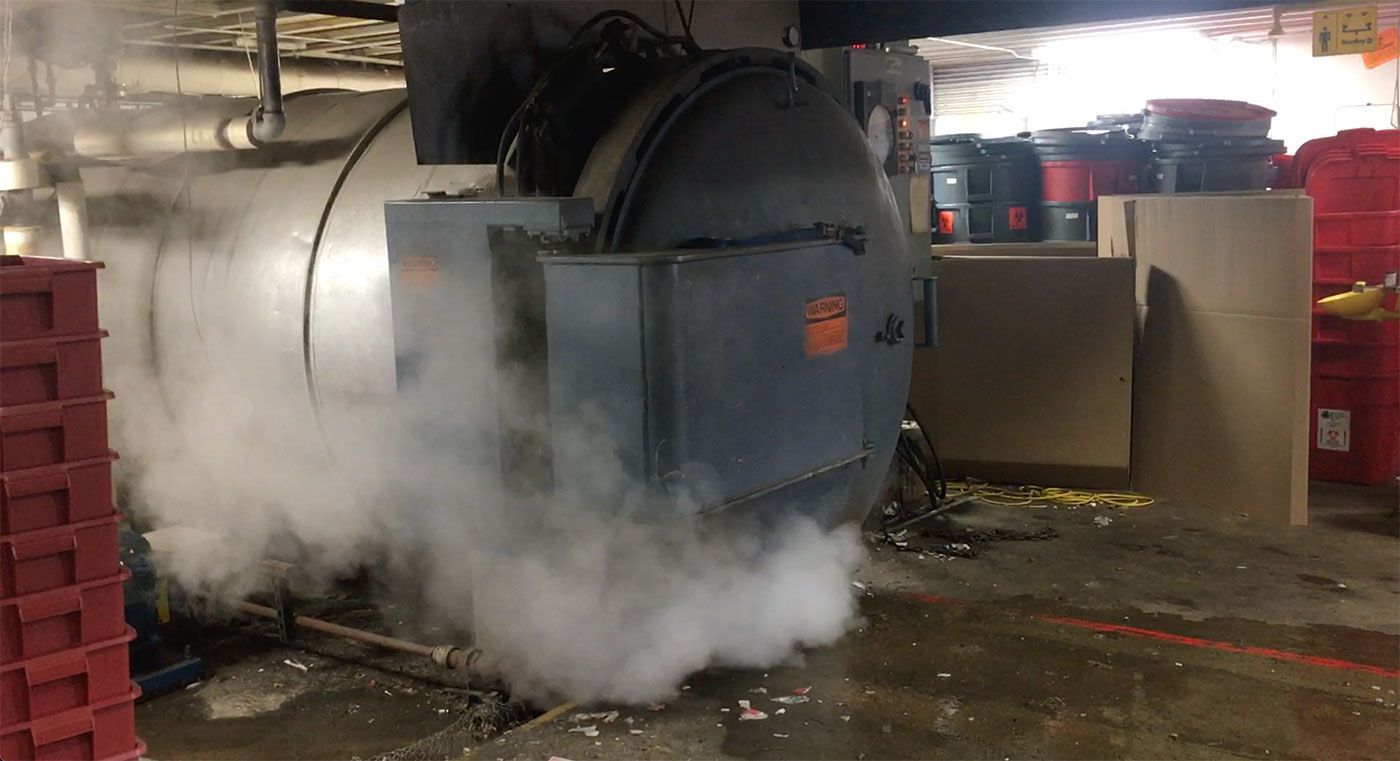
The true autoclave cost extends far beyond the machine itself. Heat-based medical waste processing systems often require extensive supporting infrastructure, including boiler systems, cooling equipment, sewer and wastewater connections, gas supply lines, permitting, environmental compliance measures, and facility modifications before processing can even begin.
As processing demand increases, those infrastructure requirements scale alongside it, making expansion more complex and capital-intensive over time. For processors focused on long-term growth, scalability, and operational efficiency, the financial impact of heat-based systems extends well beyond day-to-day operations.
This is why many waste processors are reevaluating heat, steam, and pressure-based methods in favor of more modern
medical waste sterilization systems that simplify infrastructure requirements and support more efficient processing.
Table of Contents
Why Is the True Cost of an Autoclave Larger Than the System Itself?
The purchase price of an autoclave is only one part of the total investment required to operate a heat-based processing facility. Supporting infrastructure often becomes one of the largest financial and operational considerations for processors planning new facilities or expanding existing operations.
Heat-based systems typically require:
- Boiler systems to generate steam
- Cooling systems to manage temperature demands
- Sewer and wastewater infrastructure
- Gas supply connections
- Additional environmental compliance measures and permitting
- Facility retrofits and heavy installation work
As system size and throughput increase, those infrastructure demands increase. Expanding processing capacity requires additional utility upgrades, facility modifications, and permitting approvals that add complexity to long-term growth plans.
These infrastructure requirements can also extend project timelines and create operational dependencies across multiple systems within the facility. Instead of evaluating only the processing unit itself, processors must consider the broader ecosystem needed to support heat and pressure-based operations.
For growing transporters and processors, scalability becomes more than simply adding capacity. It becomes a question of how much infrastructure is required to support future expansion.
How Do Heat-Based Systems Increase Long-Term Operating Costs?
Beyond infrastructure investment, heat-based systems also create ongoing operational expenses that impact profitability over time.
Energy consumption remains one of the largest variable costs associated with autoclaves. Generating and maintaining high temperatures and pressure requires significant power, especially as throughput increases.
Autoclaves also operate in batches, requiring full heating, sterilization, and cooling cycles before the next load can begin. Those built-in pauses reduce throughput and may require processors to extend operating hours or increase labor to maintain volume demands.
Why Are Processors Reconsidering Heat-Based Infrastructure?
As processors plan for long-term growth, many are reevaluating whether heat-based infrastructure is the most practical path forward. Expanding processing capacity with traditional autoclave systems often means expanding the surrounding infrastructure as well, adding complexity to facility planning, utilities, permitting, and long-term operations.
Instead, processors are looking for systems that simplify facility requirements while supporting reliable, scalable operations. Clean Waste Systems’ ozone sterilization technology offers an alternative approach that reduces infrastructure burden while improving operational efficiency and consistency.
Without the need for extreme heat or pressure, processors can reduce reliance on many of the supporting systems commonly associated with traditional heat-based processing. Lower energy demands, reduced component wear, and more consistent processing workflows also help facilities maintain reliable throughput while limiting operational disruptions.
For transporters expanding into processing and processors planning future growth, that flexibility creates a more scalable operating model. Instead of continually adding infrastructure to support expansion, facilities can focus on increasing processing capacity with greater operational control, reliability, and efficiency.
Upgrade Your Business With Clean Waste Systems
Expanding processing operations involves more than the cost of equipment or day-to-day operating expenses. Utilities, permitting, facility modifications, and supporting infrastructure all become more complex as operations scale. Together, these factors can make growth a capital-intensive investment.
That’s why many processors are exploring technologies designed to reduce infrastructure burden while enabling more efficient, scalable operations. Clean Waste Systems offers an alternative approach built to support long-term operational flexibility and growth. For transporters expanding into processing and processors modernizing existing facilities, ozone sterilization technology provides a path toward greater efficiency and less infrastructure complexity.
Frequently Asked Questions
Why is the total autoclave cost higher than the cost of the machine itself?
Heat-based systems often require extensive supporting infrastructure, including boilers, cooling systems, wastewater connections, utility upgrades, permitting, and facility modifications. These requirements can significantly increase the total investment needed to install and expand processing capacity.
What operating costs are associated with autoclaves?
Autoclaves require large amounts of energy to generate heat and pressure. Ongoing maintenance, component wear, labor demands, and unplanned downtime can also increase long-term operating costs as processing volume grows.
Why are processors moving away from heat-based medical waste systems?
Many processors are looking for technologies that simplify infrastructure requirements, improve operational consistency, and support scalable growth. Ozone-based sterilization systems are designed to reduce dependency on heat and pressure while supporting more efficient processing operations and cost-effective business growth.
