
How Clean Waste Systems Reduces Medical Waste Compliance Risk for Hospitals
Medical waste compliance is becoming a growing operational challenge for hospitals. Regulators, landfill operators, and local governments are placing greater emphasis on traceability and proof of proper disposal.
For hospitals that rely on traditional waste hauling and off-site treatment, maintaining compliance can become increasingly difficult. When regulated medical waste is improperly discarded, the consequences can escalate quickly, resulting in fines, reputational damage, and costly corrective measures.
To reduce these risks, many hospitals are rethinking how they manage waste and adopting on-site
medical waste sterilization systems that simplify compliance and strengthen oversight.
Table of Contents
Why Does the Traditional Medical Waste Process Increase Compliance Risk?
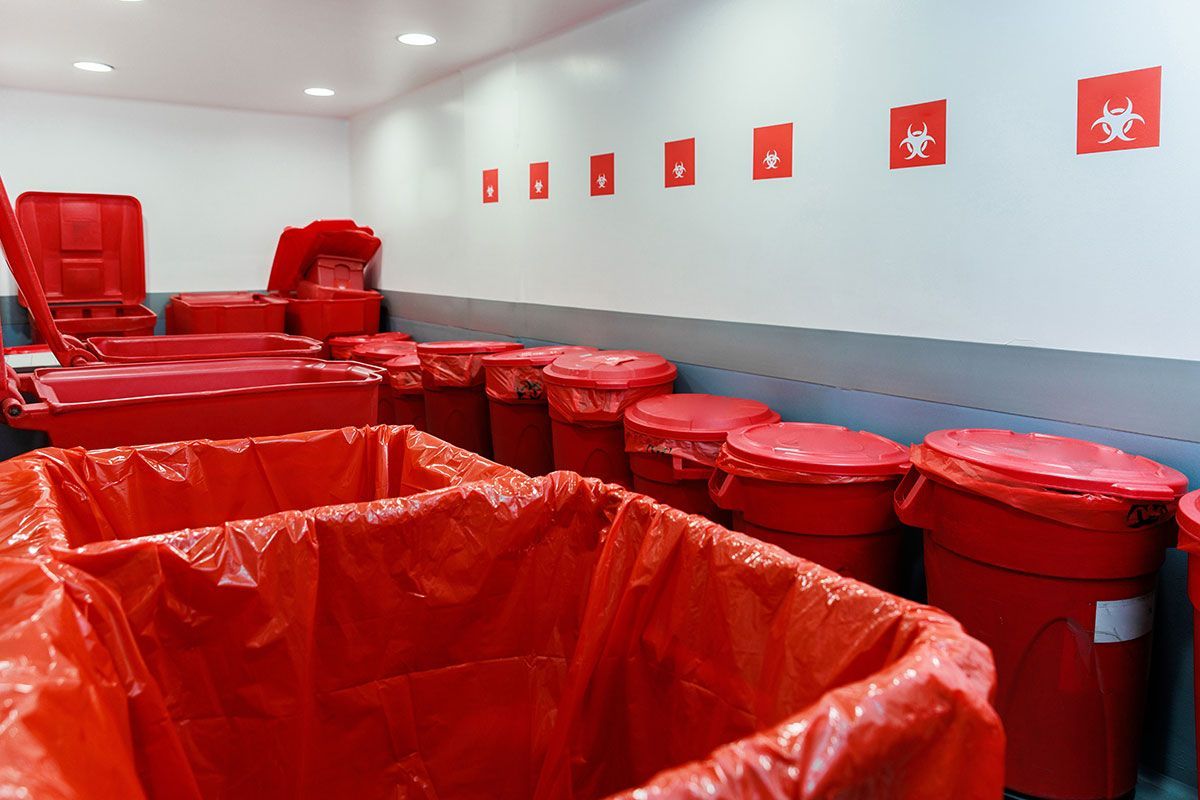
The traditional medical waste process introduces compliance risk at nearly every stage. Handling, storage, transport, treatment, and documentation each create separate regulatory checkpoints, increasing the likelihood that mistakes can occur. Many violations begin with improper waste segregation. When regulated medical waste is accidentally placed in regular trash, it can end up in municipal landfills where it does not belong. Landfill operators may issue fines or report the incident publicly, creating reputational damage for the hospital.
After an initial violation, landfill operators often increase scrutiny of the hospital’s waste stream. Additional inspections frequently uncover more segregation errors, resulting in repeated citations and escalating compliance pressure. Hospitals may then be forced to hire third-party auditors to inspect outgoing trash before it leaves the facility, which is an expensive and disruptive measure that can cost hundreds of thousands of dollars annually.
How Does Clean Waste Systems Reduce Hospital Compliance Risk?
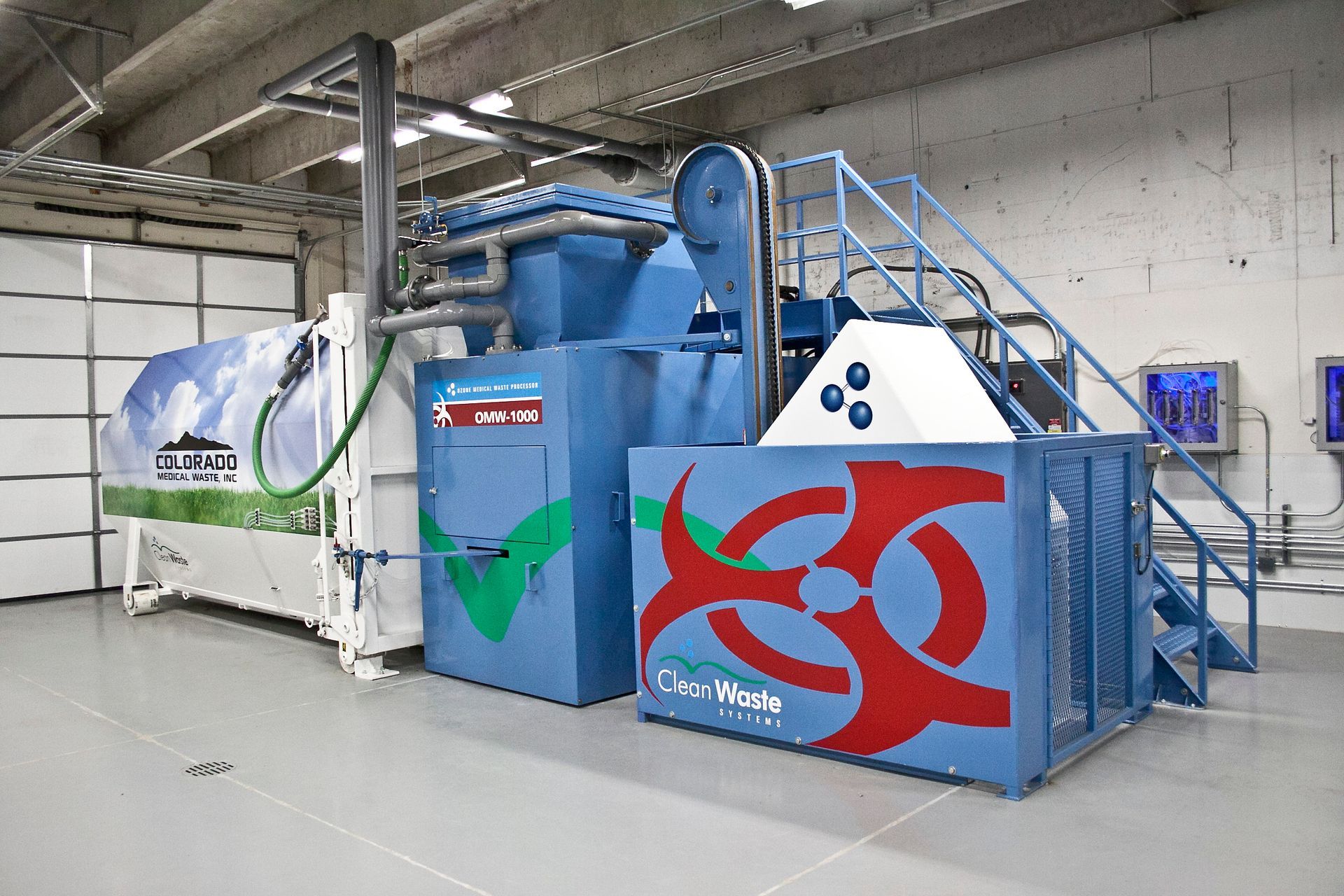
On-site ozone medical waste processing reduces hospital compliance risk by changing how waste is handled within patient care areas. With traditional disposal methods, hospital staff must carefully segregate medical waste from regular trash to prevent it from entering landfill waste streams. Ozone sterilization technology simplifies this system.
Instead of requiring strict separation of most patient-room waste (with the exception of separating hazardous waste streams), staff can place most waste into the same red bag for treatment. The bags are transported internally to an on-site treatment area where waste is disinfected using
ozone, and processed through an
integrated shredder that reduces waste volume by more than 80 percent. By disinfecting and shredding waste before it leaves the facility, hospitals greatly reduce the likelihood that untreated medical waste materials will reach municipal landfills and strengthen medical waste compliance.
Why Is On-Site Ozone Processing a Strategic Upgrade for Hospitals?
On-site ozone processing strengthens hospital compliance by reducing the scope of oversight required to manage untreated medical waste. Treating waste at the source reduces reliance on transport vendors and third-party handlers while allowing tighter chain-of-custody control from disposal through final treatment. Once waste has been disinfected and shredded on-site, hospitals can be confident that materials leaving their facility no longer contain active biohazards, significantly lowering the risk of landfill violations and the compliance burden associated with transporting untreated waste.
This approach also creates a cleaner and simpler operational workflow that’s easier to monitor. With fewer handling steps and less reliance on external coordination, documentation becomes easier to manage, and compliance oversight becomes more direct. Hospitals that implement on-site ozone treatment can also turn these improvements into positive messaging by demonstrating leadership in sustainability, operational innovation, and community safety.
Stay Compliant With Clean Waste Systems
As hospitals face growing compliance pressure, traditional medical waste handling methods can create operational risk. Treating waste on-site with Clean Waste Systems’ ozone technology allows hospitals to disinfect and shred materials before they leave the facility, reducing reliance on off-site handling and simplifying waste management.
By treating waste at the source, hospitals lower the risk that untreated materials will reach municipal landfills while creating a cleaner, more controlled workflow. The result is stronger regulatory confidence, easier compliance oversight, and a safer approach to medical waste management.
Frequently Asked Questions
How does Clean Waste Systems reduce medical waste compliance risk?
Clean Waste Systems reduces medical waste compliance risk by allowing hospitals to disinfect and shred waste on-site before it leaves the facility. When waste is treated at the source, hospitals prevent untreated biohazardous materials from reaching municipal landfills, including situations where sorting errors cause regulated medical waste to be placed in regular trash. By sterilizing and reducing waste volume before disposal, hospitals gain greater control over their waste stream, lower the risk of landfill violations, and simplify medical waste compliance.
Do hospitals still need to separate biohazard waste?
Yes. Hazardous waste streams must still be segregated and handled according to regulatory requirements. However, with Clean Waste Systems’ on-site ozone treatment, hospitals can place most patient-room waste into the same red bag for treatment, simplifying waste handling while maintaining proper disposal procedures for hazardous materials.
How does Clean Waste Systems reduce the risk of sorting errors?
Clean Waste Systems reduces the risk of sorting errors by allowing hospitals to treat patient-room waste on-site before it leaves the facility. Instead of relying on perfect segregation between regulated medical waste and regular trash, materials are disinfected and shredded prior to disposal. This helps prevent situations where improperly sorted biohazardous waste reaches municipal landfills, lowering the risk of violations, fines, and reputational damage.
What other benefits does on-site medical waste processing provide?
Treating waste on-site allows hospitals to disinfect and shred materials before disposal, ensuring that waste leaving the facility has already been sterilized. This reduces landfill compliance risks, simplifies waste handling, and creates a safer workflow for staff. Hospitals can also turn these improvements into positive messaging by demonstrating leadership in sustainability, operational innovation, and community safety.
