Why Processors Are Moving to Medical Waste Shredding Systems
Processors across the medical waste industry are reassessing how waste moves through their facilities. Increased attention on sharps exposure, tighter regulatory scrutiny, and the sheer volume of material moving through transfer and treatment operations are pushing processors to prioritize safer, more efficient workflows.
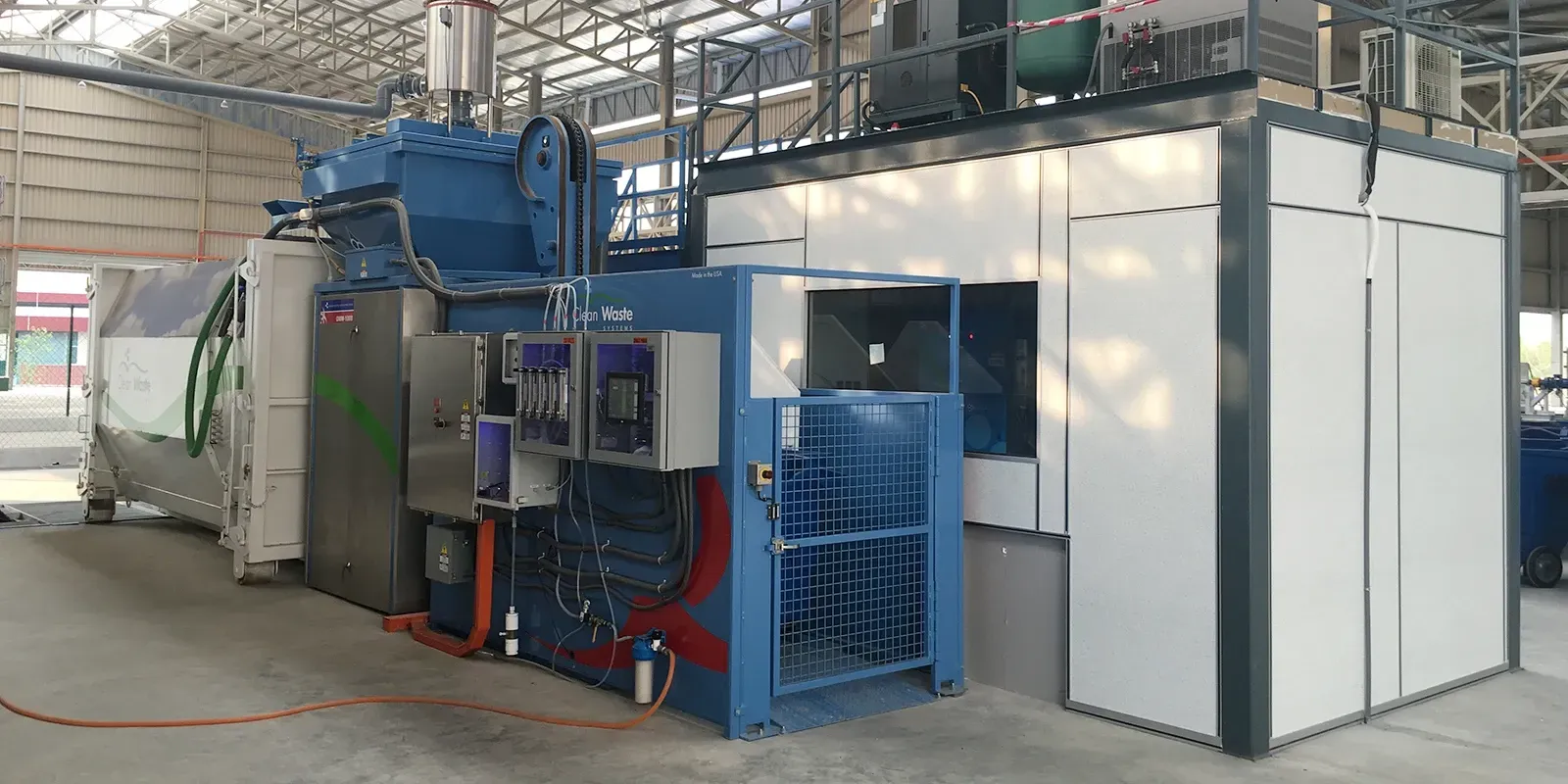
By introducing shredding earlier in the workflow with medical waste shredding systems, processors can change how waste is handled, transported, and treated downstream. The shift is less about adopting new equipment for its own sake and more about gaining operational control.
This article explores why more processors across the U.S. are choosing
medical waste sterilization systems that pre-shed materials, improve sharps safety, and strengthen cost control.
Table of Contents
Why Is the Industry Moving Toward Pre-Shredding Medical Waste?
As awareness grows around injuries tied to needle sticks and container failures, intact sharps are being viewed as an avoidable operational risk rather than a fixed cost of doing business. Physical destruction (i.e., shredding) is becoming a best practice for reducing risk, and many customers now expect processors to demonstrate proactive sharps safety measures. This has led many operators to reassess autoclave-based workflows in favor of pre-shredding approaches that render sharps unrecognizable earlier in the process.
At the operational level, the move toward pre-shredding is being driven by:
- Greater focus on employee safety during handling, transport, and processing
- Pressure to modernize processing infrastructure as volumes increase
- Competitive differentiation through demonstrably safer waste handling practices
How Does Pre-Shredding Improve Sharps Safety and Operational Efficiency?
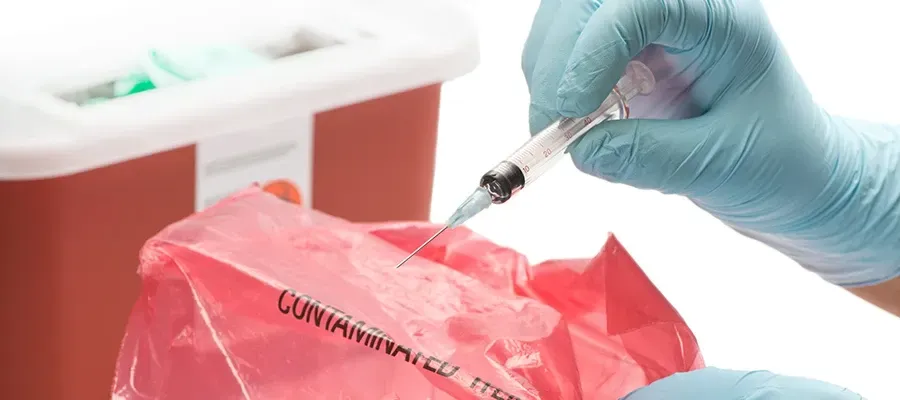
By physically breaking down needles and other sharp objects early in the workflow, processors reduce the risk of needlestick injuries and container failures during handling and transport. Downstream, steps become more predictable with fewer surprise hazards for employees.
Additionally, shredded material behaves more uniformly than intact waste. Fewer irregular shapes and pressure points mean less manual intervention tied to damaged containers or uneven material flow. Over time, that consistency translates into safer daily operations and more reliable throughput.
From a cost perspective, pre-shredding supports efficiency by reducing waste volume before transport and final handling. Clean Waste Systems incorporates
ozone sterilization technology
to support both disinfection and volume reduction, allowing processors to move less material overall.
Why Is Medical Waste Shredding a Strategic Investment for Processors?
Medical waste shredding is less about meeting today’s minimum requirements and more about preparing for what’s next. Regulatory expectations, customer requirements, and regional oversight—particularly around how sharps are handled—continue to evolve, and processors need flexibility.
Pre-shredding seamlessly integrates into existing workflows without the need to redesign entire facilities or disrupt established transport and treatment workflows. By adopting pre-shredding, operators can respond to changing expectations while continuing to use their current infrastructure efficiently.
Additionally, pre-shredding strengthens a processor’s market position in regions where stricter standards around sharps destruction are already emerging. Demonstrating a proactive approach to safer waste handling can support contract retention and growth, particularly with customers that prioritize risk reduction.
Clean Waste Systems supports this shift with systems that add shredding capability within existing processing environments. The solutions are positioned to help processors modernize operations at a manageable pace, scale capacity as volumes increase, and prepare for future regulatory and operational changes.
Elevate Your Processing Business With Clean Waste Systems
Processors are adopting medical waste shredding systems to address rising safety expectations, transportation costs, and operational complexity. By physically destroying sharps before disposal, processors can manage transportation costs more effectively and meet evolving regulatory and customer safety requirements.
Clean Waste Systems supports this shift with systems designed to modernize and enhance operations without disrupting existing workflows.
Frequently Asked Questions
What role does shredding play in improving sharps safety?
Shredding physically destroys needles and other sharps early in the processing workflow. Waste is safer to handle once sharps are broken down; there is a lower risk of needlesticks, bag punctures, and container failures.
How does volume reduction impact processor operating costs?
Reducing waste volume before hauling allows processors to move more material per load. This can lower the number of outbound shipments, reduce transportation expenses, and improve overall cost control. Over time, fewer loads and more predictable material density support stronger margins and more efficient logistics planning.
Can shredding be integrated into existing processing workflows?
Yes. Many shredding systems are designed to integrate with current processing operations without requiring a full facility redesign. Processors can modernize workflows, improve safety, and scale capacity while continuing to use existing infrastructure.